Understanding Sciatica: Causes, Symptoms & Management
Have you ever experienced that unmistakable sharp, shooting pain that starts in your lower back and travels down your leg like an electric shock? If so, you're likely dealing with sciatica. You're definitely not alone - this surprisingly common condition affects millions of Australians each year. The good news is that understanding what's happening in your body is the first step toward feeling better. At Centrepoint Chiropractic Clinic in Caboolture South, Dr David Chapman (Chiropractor) has been helping people with sciatica-related concerns since 1982.
What is Sciatica?
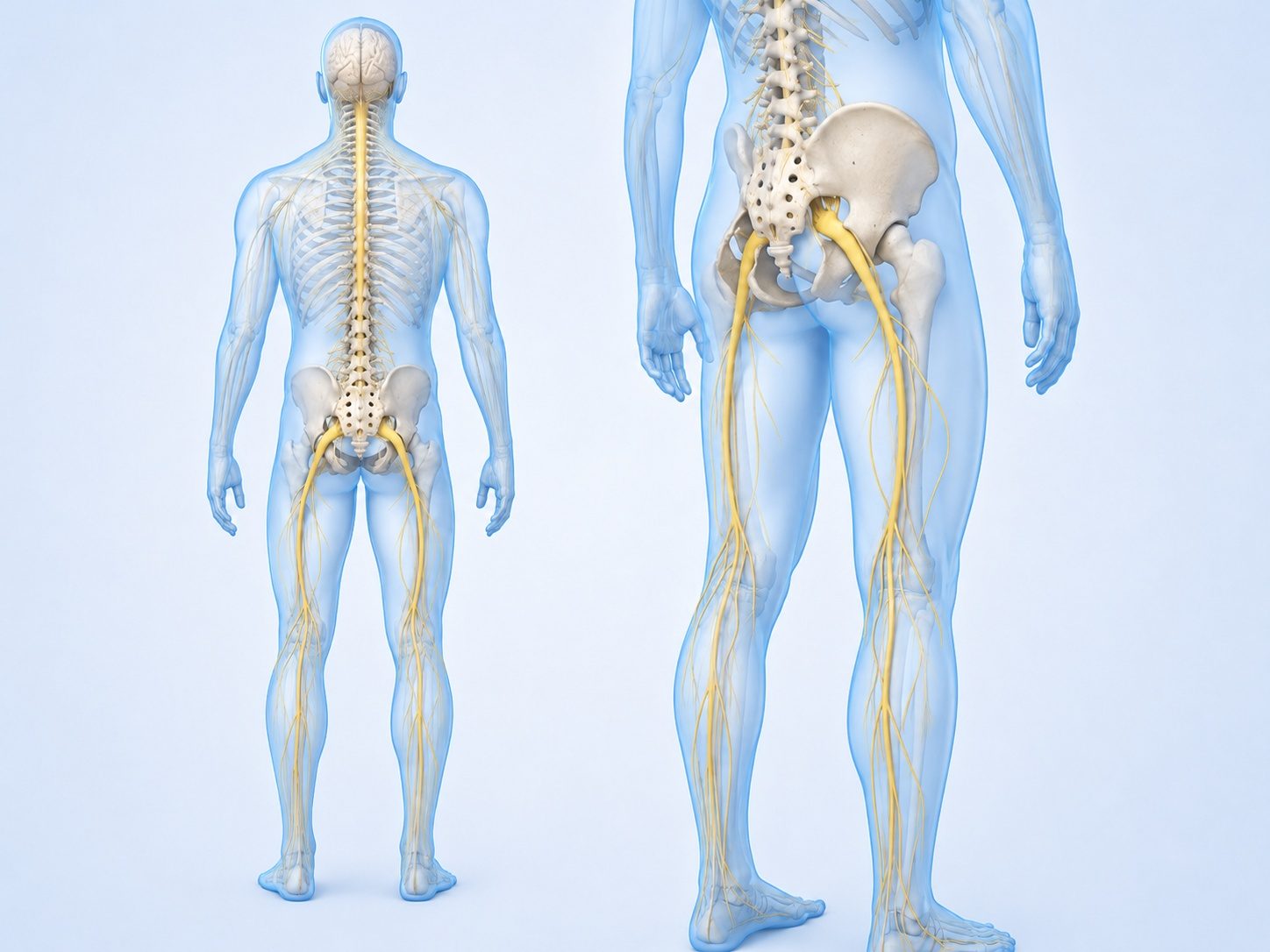
Picture this: your sciatic nerve is like a major highway running from your lower back, through your hips and buttocks, all the way down to your feet. It's actually the longest and widest nerve in your body - about as thick as your thumb! When something irritates or puts pressure on this nerve, you get sciatica. The pain usually affects just one side of your body, though occasionally both legs can be involved. What's frustrating is how unpredictable it can be - sometimes it's just a dull ache, other times it feels like someone's jabbing you with a hot poker.
What Does Sciatica Feel Like?
Everyone describes sciatica a bit differently, but there are some telltale signs. The classic symptom is that sharp, shooting pain that feels like an electric shock running down your leg. Some people describe it as burning, stabbing, or like someone's dragging a hot knife down their leg. You might also notice tingling or pins and needles, areas of numbness (which can be quite unsettling), or weakness that makes your leg feel heavy or unreliable.
What's particularly annoying about sciatica is how certain positions make it worse. Sitting often becomes torture - especially in cars or at a desk. Coughing, sneezing, or even laughing can send a jolt of pain down your leg. On the flip side, many people find that walking or lying down brings some relief.
What Causes Sciatica?
Sciatica occurs when the sciatic nerve becomes irritated or compressed. The most common cause is a herniated or "slipped" disc in the lower back, where the soft, gel-like centre can bulge out through a crack in the tougher exterior. Other causes include spinal stenosis (narrowing of the spinal canal), piriformis syndrome (muscle spasm irritating the nerve), previous injury to the lower back, poor posture from prolonged sitting, age-related changes in the spine, pregnancy-related changes, being overweight, and lack of regular exercise.
When to Seek Professional Assessment
While mild sciatica may improve on its own, you should consider professional assessment if you experience severe pain that interferes with daily activities, pain that persists for more than a week, numbness or weakness in your leg, pain following a significant injury, or difficulty controlling bladder or bowel function (this requires immediate medical attention). Early assessment and appropriate management often lead to better outcomes for people experiencing sciatica-related concerns.
How Chiropractic Assessment Works
At Centrepoint Chiropractic Clinic, assessment of sciatica-related concerns involves a comprehensive evaluation. Dr David Chapman (Chiropractor) discusses your symptoms, medical history, and lifestyle factors. Physical examination may involve testing your reflexes, muscle strength, and range of motion, along with specific orthopedic and neurological tests. With over 40 years of experience in musculoskeletal assessment, this thorough approach helps develop an understanding of your individual situation.
Management Approaches Available
Chiropractic care focuses on the assessment and management of musculoskeletal conditions. At Centrepoint, various gentle techniques may be appropriate depending on your individual needs, including Diversified Spinal Adjusting (gentle manual adjustments to improve spinal function), Activator Method (a low-force technique using a specialised instrument), Sacro Occipital Technique (a gentle approach focusing on the relationship between the spine and pelvis), and Extremity Adjusting when appropriate. Each approach is tailored to your comfort level and specific condition.
Self-Care Strategies to Consider
While professional assessment is important, some gentle strategies you might consider include keeping moving when possible (bed rest is generally not recommended), taking short, gentle walks as tolerated, avoiding positions that worsen symptoms, applying ice for 15-20 minutes during acute episodes, using heat therapy for muscle tension relief, and maintaining good posture when sitting and standing. Simple, gentle stretches may help maintain flexibility, but avoid any movements that increase your pain.
Prevention and Lifestyle Factors
While not all cases of sciatica can be prevented, certain lifestyle factors may help reduce your risk. Regular exercise to strengthen your back and core muscles, maintaining a healthy weight to reduce stress on your spine, practising good posture throughout the day, using proper body mechanics when lifting or carrying objects, and staying active while avoiding prolonged periods of inactivity can all be beneficial. Don't smoke, as it reduces blood flow to spinal discs, and manage stress levels effectively.
Frequently Asked Questions
What does sciatica pain feel like?
Sciatica typically presents as sharp, shooting pain that travels from the lower back down one leg. It may feel like an electric shock, burning sensation, or tingling. Some people experience numbness or muscle weakness in the affected leg. The pain often worsens when sitting, coughing, or sneezing.
How long does sciatica last?
Sciatica duration varies significantly between individuals. Mild cases may improve within a few days to weeks, while more persistent cases can last several months. The timeline often depends on the underlying cause and how quickly appropriate assessment and management begins.
When should I see a chiropractor for sciatica?
Consider professional assessment if you experience severe pain interfering with daily activities, pain persisting more than one week, numbness or weakness in your leg, or pain following injury. Seek immediate medical attention for loss of bladder or bowel control.
Can chiropractic care help with sciatica assessment and management?
Chiropractic care focuses on the assessment and management of musculoskeletal conditions including sciatica-related concerns. A chiropractor may conduct comprehensive evaluation and use various gentle techniques depending on your individual needs. Each person's situation is unique.
Important Information
This article is for educational purposes only and should not be used as a substitute for professional medical advice, diagnosis, or treatment. Every person's situation is unique, and individual responses to care may vary significantly. The information provided here is general in nature and may not apply to your specific circumstances.
If you're experiencing severe pain, numbness, weakness, or any concerning symptoms, please seek appropriate professional assessment promptly. This is particularly important if you have loss of bladder or bowel control, progressive weakness, or severe pain that doesn't improve - these may indicate conditions requiring immediate medical attention.
Dr David Chapman (Chiropractor) is registered with AHPRA (CHI0001610092) and is committed to providing evidence-based chiropractic care within appropriate professional scope. Chiropractic care focuses on the assessment and management of musculoskeletal conditions, and outcomes cannot be guaranteed.
Ready to Book?
If you're experiencing sciatica-related concerns, don't let discomfort control your daily activities. Professional assessment can help you understand your condition better and explore appropriate management options.
Centrepoint Chiropractic Clinic is located at Shop 7, 25 Morayfield Road, Caboolture South QLD 4510. Open Monday to Friday 9am to 6pm.
Or use our contact form and we will call you back.